
A string trimmer is primarily chosen based on its cutting system and the compatibility of its battery ecosystem, not by its color or brand. Too many buyers focus on the advertised power in watts, while the actual performance depends on the cutting width, the diameter of the line, and the overall balance of the machine. Here we detail the technical criteria that make a difference in the field.
Battery ecosystem and total cost of ownership of a string trimmer
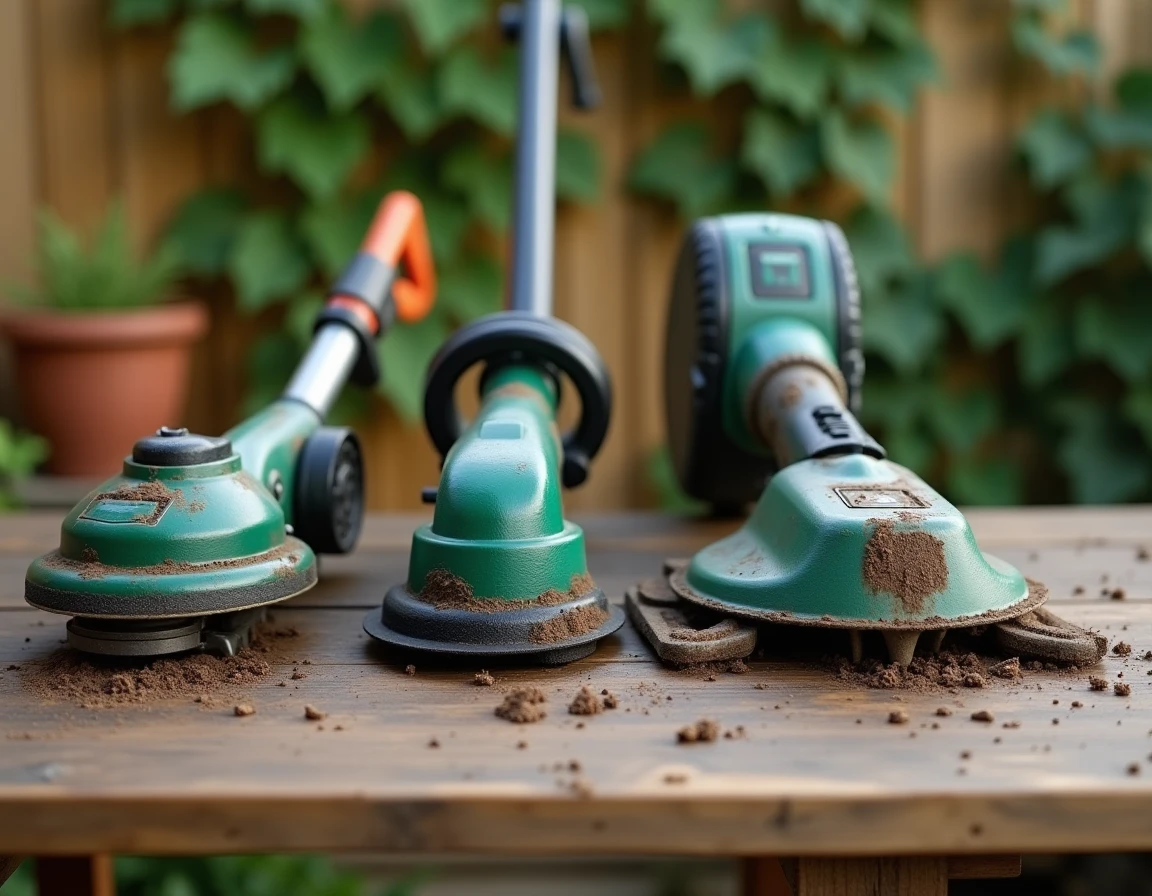
The choice of a battery-powered string trimmer is not just about comparing voltages. The real issue is the platform: an 18 V or 36 V battery shared between a lawn mower, hedge trimmer, and string trimmer reduces the overall budget and simplifies charging logistics.
We recommend thinking in terms of a kit rather than isolated purchases. 18 V kits that include a lawn mower and string trimmer with a single battery for all equipment are available from several manufacturers. The initial investment may seem higher, but the total cost of ownership decreases significantly when batteries are shared.
Before buying, check how many garden tools you already own within the same ecosystem. Adding a compatible string trimmer often means purchasing just the bare tool, without a battery or charger. The comparison sheets available on taille-bordure-warrior.com allow you to filter by platform and identify these compatibilities.
A wired electric model remains relevant for small gardens, where the cable constraint is not an issue. The purchase price is significantly lower, and the available power is not limited by the capacity of a battery.
Line diameter and cutting head: the real performance parameters

Motor power means nothing if the cutting line is not suitable. The diameter of the line directly determines the type of vegetation you can tackle. A thin line is suitable for tender grasses along flower beds. A thicker line is necessary for tough grasses or borders that have been overgrown for several weeks.
The line diameter interacts with the rotation speed. A powerful motor paired with a thin line produces a clean cut on short grass. The same motor with a thick line handles dense vegetation but puts more strain on the battery.
Automatic spool or quick-load head
The line dispensing mechanism deserves as much attention as the line itself. Three systems coexist:
- The automatic dispensing spool, which releases line at each restart or by inertia, offers the smoothest user experience but can sometimes consume more line than necessary.
- The semi-automatic spool (tap-and-go), activated by tapping the head on the ground, remains the most common and reliable compromise in the long term.
- The quick-load head, where pre-cut line sections are inserted, reduces reloading time but requires keeping ready-to-use segments on hand.
Some models replace the line with a rotor equipped with plastic blades. This system eliminates the line dispensing issue and offers a constant cutting width, but it is less versatile on tall grasses.
Ergonomics and balance: what changes after an hour of use
The gross weight displayed on the technical sheet does not reflect actual fatigue. What matters is the distribution of weight between the motor (at the front or at the handle) and the length of the tube.
A poorly balanced string trimmer forces you to strain your wrist to keep the cutting head at the correct angle. Over long sessions, the difference between a well-designed device and an entry-level model becomes glaring. We observe that users consistently underestimate this criterion at the time of purchase.
Auxiliary handle and harness
An adjustable auxiliary handle transforms the comfort of a string trimmer. It should pivot to adapt to the user’s morphology and the type of work (horizontal cutting along a wall or vertical cutting to create a clean edge).
The harness is not just for brush cutters. On a string trimmer weighing more than three kilograms, a simple harness shifts the weight to the shoulders and frees the arms. This detail makes the difference between a tool that you willingly use every week and a device that stays in the garage.
Gas or battery string trimmer: decide based on the terrain
Gas trimmers still have an advantage on very large plots where a battery’s autonomy is insufficient, and on semi-woody vegetation that electric motors struggle to handle. Outside of these cases, batteries win out over noise, engine maintenance, and ease of starting.
A gas motor requires oil changes, spark plugs, air filters, and mixed fuel. These maintenance constraints deter occasional users and increase the annual cost of use. The battery model boils down to recharging the battery and replacing the line.
For a medium-sized lawn with borders along flower beds, trees, and fences, an 18 V battery-powered string trimmer with a cutting width of about 25 cm covers most needs. The gas model is justified for sloped terrains with dense vegetation or rural properties where the area to be treated far exceeds the capacity of a standard battery.
The final choice rests on three concrete questions: what battery platform do you already own, what type of vegetation borders your paths, and how long does a typical finishing session last in your garden. Answering these three points honestly eliminates most unsuitable models and guides you toward a string trimmer that will truly serve for several seasons.