70%. This is not a random estimate, but the concrete share of greenhouse gas emissions generated by our daily actions in France. Yet, most households have not measured the real impact of these seemingly trivial gestures, repeated every day, on the state of the planet. Stubborn habits, ingrained for years, still persist, even though more responsible alternatives are multiplying and are within reach.
Every consumption choice, every trip, every way of sorting or disposing of waste subtly shapes our ecological footprint. Revising one’s routine, even a little, lightens this mark. Changing without giving up comfort is within everyone’s reach: concrete solutions exist that are accessible and compatible with modern life.
Why adopting eco-responsible gestures changes our daily lives
Changing habits means altering one’s relationship with the planet. Adopting an eco-responsible lifestyle means choosing sobriety in purchases, rethinking the use of energy and resources. The result: a genuine contribution to the ecological transition and a tangible reduction in individual carbon footprint. The impact is not always immediately visible, but it can be measured in reality: selective sorting reduces the volume of waste, a responsible diet lessens meat consumption, and switching to renewable energy decreases dependence on polluting energies.
By taking action, the effects can be seen quickly: less food waste when choosing local products, less ocean acidification, and less climate disruption if we abandon fast fashion in favor of recycled materials. Even the digital realm is not exempt from the rule: limiting electronic devices and managing emails also lightens one’s impact.
All these gestures, when added together, contribute to protecting biodiversity and restoring ecosystems. For those looking for concrete guidelines, ecostart.fr gathers tips and tools without ever lecturing. This awareness, rooted in everyday life, addresses eco-anxiety and paves the way for a more livable future for all.
What simple gestures can be easily integrated into daily routines for a lasting impact?
Adopting eco-responsible gestures daily does not require excessive effort. Rethinking purchases is already a lot: prioritizing local, organic, seasonal products supports local producers and reduces emissions related to transport. Focusing on short supply chains, choosing recyclable packaging or reusable bags instead of plastic makes a difference.
Here are some concrete habits to adopt to reduce environmental impact:
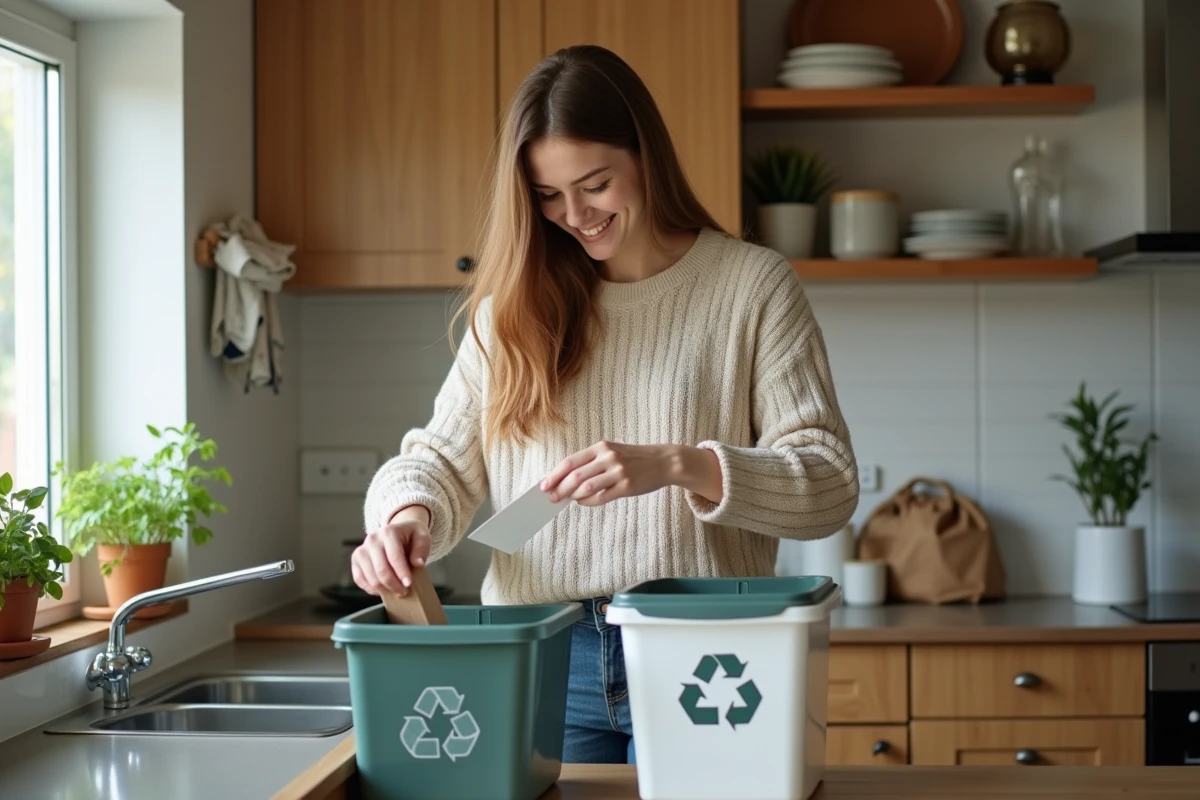
- Selective sorting and composting allow for the valorization of organic waste, reducing the volume of garbage sent to incineration.
- In the kitchen, opt for minimally processed foods and prefer vegetarian meals from responsible farming to limit meat consumption.
Managing energy at home involves specific actions: installing energy-efficient bulbs, remembering to turn off standby devices, equipping faucets with water savers, and favoring short showers. Using rainwater for plants saves potable water.
In terms of mobility, swapping solo car trips for public transport, biking, or walking significantly reduces greenhouse gas emissions. Carpooling and using electric vehicles remain accessible options to limit pollution related to travel.
The digital world is no exception: buying fewer new electronic devices, prioritizing second-hand for clothing and furniture, and choosing sustainable materials like certified wood or organic cotton are concrete actions to limit waste and pressure on natural resources.

Resources and inspirations to go further in an eco-responsible approach
To make progress, there are numerous resources and inspiring practices at hand. Environmental labels like the FSC certification (Forest Stewardship Council) ensure that wood comes from sustainably managed forests, often in France. In terms of food, turning to short supply chains and anti-waste baskets supports local production while limiting transport-related footprint. Specialized directories gather actors from the social and solidarity economy to facilitate the search for solutions aligned with an eco-responsible lifestyle.
In the face of fast fashion, slow fashion offers a concrete alternative: choosing ethical brands that focus on recycled materials, organic cotton, or vegan leather. There are now sneakers made from recycled materials, produced locally, or accessories made with respect for the environment, proving that French know-how can reinvent itself. And because change is also fueled by exchanges, sharing these practices with family, at work, or among friends accelerates the move to action.
Here are other concrete avenues to strengthen daily commitment:
- The reparability index and durability index displayed on products facilitate choices: prioritizing robust and repairable items, which are better rated, extends their lifespan.
- Training programs like those offered by the Higher Institute of the Environment support the ecological transition and help reduce one’s carbon footprint deeply.
Exploring neighborhood initiatives, joining a local AMAP, turning to circular economy platforms: every effort counts. By staying the course, step by step, a more environmentally respectful society is emerging, concrete and human-sized. It is up to everyone to do their part so that tomorrow does not resemble yesterday.