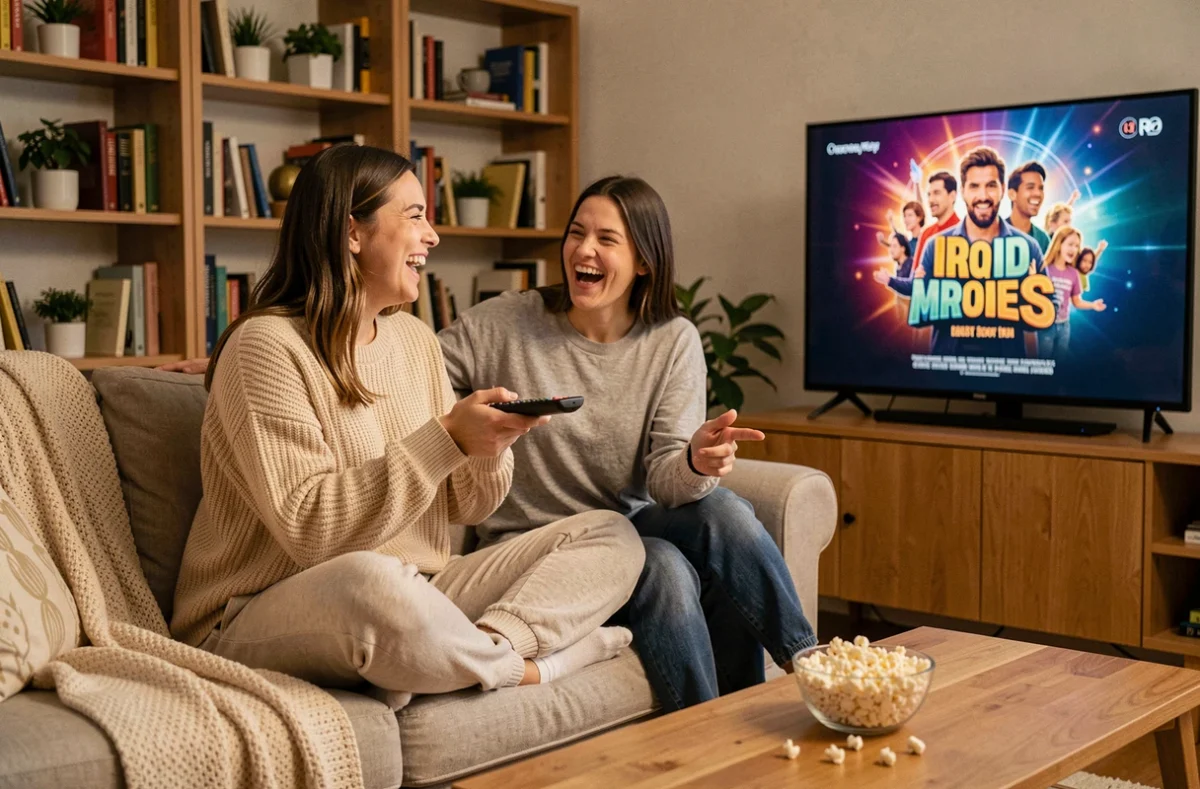
TV series generate active communities whose activities extend far beyond watching. According to a Kantar Media TGI France study of people aged 15 and over, TV series and cinema are among the passions most frequently cited by people who identify with a fandom. Members follow creators, buy merchandise, and attend events. Fan interactions therefore bring together content, consumption, and in-person or online meetups.
At the same time, conversations about TV series continue on video platforms and social media. Data reported by Arcom show that clips from programmes circulate on YouTube, where reactions, remixes, and shared excerpts help boost the visibility of shows. Commentary is now an integral part of the experience.
Moderating fan communities: spoilers, harassment, and disagreements
A fast-growing fan community will inevitably face three points of tension: spoilers shared before everyone has watched the episode, harassment targeting members with minority opinions, and the temptation to censor criticism to preserve a harmonious atmosphere. Each of these issues calls for a different response.
When it comes to spoilers, most TV series forums and groups adopt a grace period—often 48 to 72 hours after broadcast—during which any plot revelations must be hidden behind a tag or spoiler warning. This works when the rules are clearly visible from the moment people join and are consistently enforced.
Harassment presents a deeper challenge. Moderation decisions by major platforms such as Facebook, Instagram, and TikTok are regularly challenged by users who report content. For fan communities, this means that relying solely on algorithmic moderation is not enough.
Spaces such as the Serie Tv Forum forum illustrate a complementary approach, where volunteer moderators know the subject and can distinguish a disagreement about a character’s story arc from a personal attack on a member.

Criticism and differing interpretations: what moderation should not remove
Moderation does not mean smoothing everything over. The richness of a TV series fan community comes from conflicting interpretations of the same scene, dialogue, or plot choice. Removing a well-reasoned negative opinion because it “ruins the mood” impoverishes discussion and drives the most engaged members to other spaces.
The useful distinction is between criticism (a judgment about the work, however harsh) and an attack (a judgment about the person who likes it). A comment calling a season a failure and explaining why falls into the first category. A message ridiculing those who enjoyed it falls into the second.
Moderation rules work best when framed around this distinction, rather than a subjective measure of “positivity”. A few practical principles can help moderators make decisions:
- Allow negative ratings and episode reviews as long as they focus on the content, not other forum members
- Tag discussion threads by topic (analysis, theories, humour, spoilers) so each member can choose how much they want to see
- Make contested moderation decisions public, along with the reason, so the community can assess whether the rules are being applied consistently
Moderation appeals do not always lead to an undisputed decision. This ambiguity is not a flaw: it reflects the complexity of human interactions around a cultural work. Communities that document their moderation choices build an internal body of precedent that new members can consult.
Sharing TV discoveries: formats and platforms that work
Fans share more than just text. Formats have diversified, and each attracts a different kind of participant.
Topic-specific forums remain the most structured format for in-depth discussions. Episode- or season-specific threads make it possible to find a conversation months later, unlike a tweet or Instagram story. For fans who want to analyse a story arc across several seasons, a forum remains the best-suited platform.
Video platforms play a complementary role. Reaction videos, scene-by-scene analyses, and themed compilations published on YouTube extend a series’ lifespan long after it has aired. These videos, in turn, generate comments and debates that fuel fan communities.
Social media (Facebook groups, Discord servers, Reddit subforums) offer a middle ground: real-time interaction with varying levels of structure. Discord, in particular, has gained ground among TV series fans thanks to its voice channels, which allow for live discussions after an episode.

Fandom engagement: beyond watching
The Kantar Media TGI France study highlights a reality that is often underestimated: being part of a TV series fandom involves activities that go beyond online commentary. Buying merchandise, attending conventions, following creators across multiple social networks, and creating fan art or fan fiction: these activities make up an economic and cultural ecosystem in their own right.
This tangible dimension changes the nature of interactions within a community. Fans who have invested time or money in a fictional universe expect to talk with people who share their level of knowledge. General-interest spaces do not always meet this expectation, which explains why specialist forums continue to thrive alongside mass-market social networks.
Connected leisure activities around TV series are about more than watching and commenting. They encompass creative pursuits, meetups, and purchases that build a lasting bond between fans and the work. The quality of a community is measured by its ability to welcome all these activities without reducing fandom to just one of them.