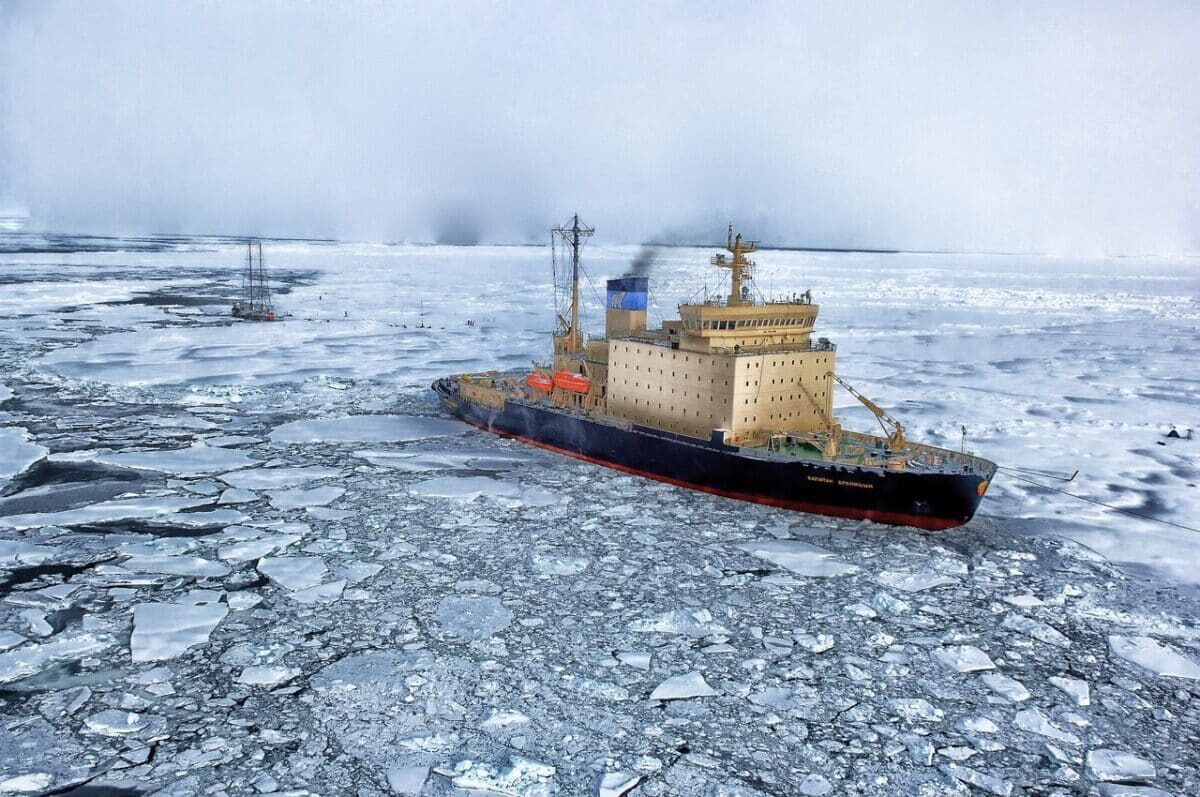
The conquest of the North Pole represents one of the most exhilarating challenges for adventurers around the world. This mythical geographical point, located at the top of our planet, is synonymous with extreme rigor, majestic landscapes, and unique wildlife. Accessing this destination is no small feat; it requires meticulous preparation, specific equipment, and a thorough understanding of the various possible routes.
Choosing the Best Time to Go
Planning an expedition to the North Pole begins with choosing the most opportune moment. Weather conditions and daylight vary considerably throughout the year, directly influencing the feasibility of your journey.
- The summer period (from May to July) offers slightly milder temperatures and continuous sunlight, allowing for maximized hours of movement and observation.
- The winter period (from November to February), while marked by extremely low temperatures and near-total darkness, attracts adventurers seeking extreme challenges and spectacular landscapes under the Northern Lights.
Transportation Options to Reach the North Pole
Various options are available to reach this distant destination, each with its advantages and disadvantages. The choice of transportation will depend on your ambitions, budget, and physical condition.
Air expeditions are the fastest and most common. Specialized charter flights generally depart from Svalbard in Norway or Barneo, a temporary Russian research station set up on the ice.
Another popular method is Antarctic cruise aboard an icebreaker, allowing not only to reach the North Pole but also to appreciate the majestic landscapes of the Arctic along the way.
The more adventurous can opt for a ski expedition, sometimes accompanied by dog sleds. This option is reserved for the most resilient and requires rigorous physical and mental preparation.
Preparation and Necessary Equipment
Meticulous preparation is essential to ensure the safety and success of your expedition. Here are the main elements to consider.
- Technical clothing and survival equipment: An outfit suitable for extreme temperatures is indispensable. Favor multiple layers made of breathable and insulating materials.
- Provisions and water: Bring lightweight, energy-dense food rations, as well as a means to melt ice for drinking water.
- Navigation and communication: A GPS, detailed maps, a compass, and satellite communication devices are essential for your orientation and safety.
Guide to Administrative and Logistical Formalities
Finally, do not forget the necessary administrative and logistical formalities for your trip. These procedures, although often tedious, are essential to ensure the legality and smooth running of your expedition.
You will need exploration permits, depending on your starting point and the duration of your expedition. Local authorities, such as those in Norway or Russia, can provide you with the necessary information and procedures to follow.
Insurance specific to polar expeditions is also highly recommended. It covers potential medical expenses, emergency evacuations, and risks related to extreme conditions.
Finally, make sure you have a detailed emergency plan, including resupply points and emergency contacts, to prepare for any eventuality.