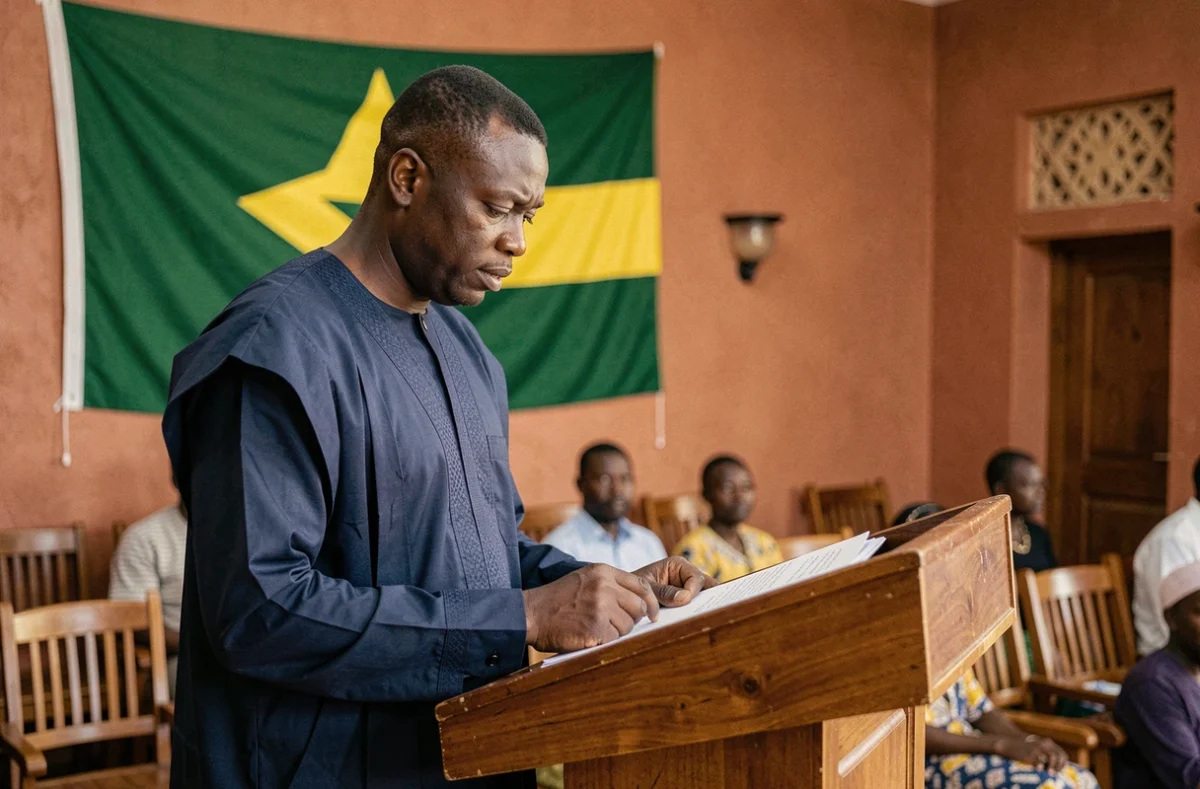
Burkina Faso is experiencing a political sequence unprecedented in recent West African history. Since the military takeover, the country has engaged in a series of breaks that are reshaping its alliances, institutional functioning, and the place given to civil voices. Understanding these issues requires going beyond mere news updates to identify the mechanisms at work.
Alliance of Sahel States: a new competing political framework in West Africa
Why would it be reductive to speak of a mere military alliance? The AES, which includes Burkina Faso, Mali, and Niger, has crossed an institutional threshold. The establishment of a confederal Parliament in Niamey in August 2026 shows that the approach is no longer limited to occasional security cooperation.
Specifically, this confederal parliament functions as a common assembly for the three countries. It is tasked with harmonizing certain policies and providing parliamentary legitimacy to decisions that have so far been made solely by military executives. This institutional architecture creates a parallel political framework to ECOWAS in the region.
The effective withdrawal of ECOWAS by the three Sahel countries makes this construction all the more significant. West Africa now finds itself with two regional blocs with divergent logics. On one side, ECOWAS and its mechanisms for democratic governance. On the other, the AES and its operation led by military transitional governments. News media covering Burkina Faso, such as https://www.libreinfo.org/, allow for daily tracking of these geopolitical recompositions in the Sahel.
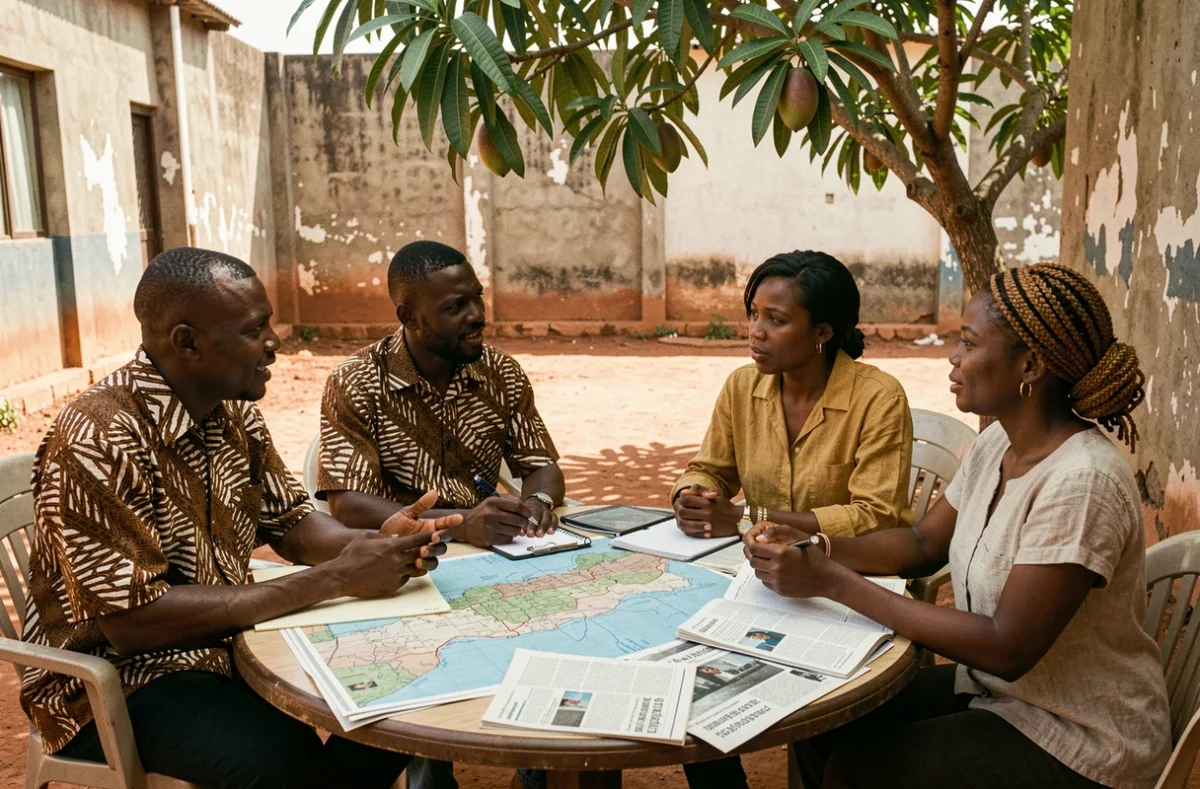
Closure of civic space in Burkina Faso: what it concretely changes
Does a state at war with armed groups have the right to restrict civil liberties? This question is acutely relevant in Burkina Faso. The measures taken in 2026 go well beyond the classic state of security emergency.
According to the CIVICUS report relayed by Global Voices in September 2026, Burkinabè civic space is now classified as closed. This means that civil society organizations, unions, and independent media operate under very heavy constraints.
Mechanisms of restriction in place
- Civic associations and movements (such as the historically active Balai citoyen) see their activities regulated or suspended by administrative decisions related to national security
- Journalists face direct pressures, including threats relayed by what some observers describe as a pro-government “digital militia”
- Publications critical of the military management of the transition are targeted, reducing the diversity of information sources accessible to Burkinabè citizens
This lockdown has a direct political consequence. The fight against terrorism serves as a justification for civic restrictions, making any dissent comparable to a form of disloyalty to the war effort. This mechanism is well documented in other contexts, but it takes on particular significance here due to the absence of institutional checks and balances.
Security and abuses: the central political dilemma of the Traoré government
The security question remains the driving force of Burkinabè politics. Jihadist groups affiliated with Al-Qaeda and the Islamic State continue to operate in large areas of the territory, particularly in the northern and eastern regions of the country.
The government claims a gradual recovery of territorial control. At the same time, abuses committed by state allied forces are documented by organizations such as Amnesty International. This dual observation creates a political dilemma: how to consolidate popular support for the military transition while facing accusations of human rights violations?
The role of the United Nations in retreat in the Sahel
The footprint of the United Nations in the region has significantly reduced. Following the withdrawal of MINUSMA in Mali, the AES countries maintain a clear distance from traditional UN mechanisms. Burkina Faso has also claimed before the UN its “profound transformation” guided by military transitional governance.
This stance reflects a deliberate political choice. Traditional partners (France, European Union, UN institutions) are kept at bay in favor of bilateral cooperation with other actors. Russia and Turkey are regularly mentioned in regional analyses as alternative partners, although the exact contours of these cooperations remain opaque.
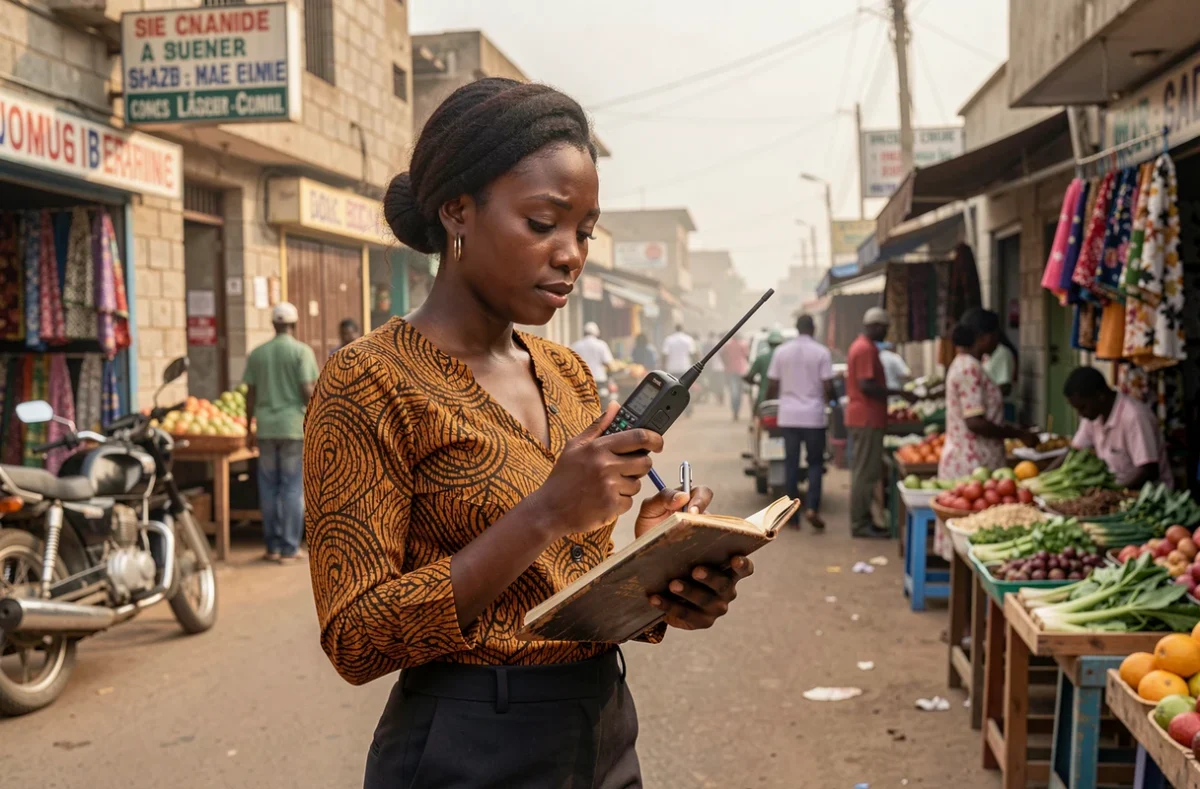
Political transition in Burkina Faso: what horizon for a return to civilian rule?
Four years after Ibrahim Traoré’s coup, the question of the electoral calendar remains unanswered. The government has regularly postponed scheduled deadlines, citing the security situation.
No binding electoral calendar is in effect to date. Traditional political parties operate within a very restricted framework. The transition charter, modified several times, does not set a binding deadline.
Burkina Faso stands at a crossroads. On one side, the institutional construction of the AES offers regional legitimacy to the transitional government. On the other, the absence of clear electoral prospects and the closure of civic space raise questions about the sustainability of a political model based solely on security responses. How these tensions will be resolved in the coming months will determine the political trajectory of the entire Sahel.