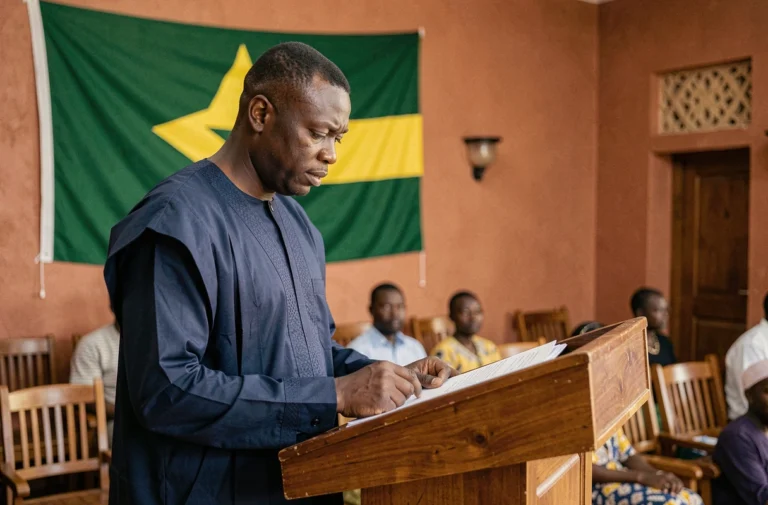
In the vibrant world of rap, where the spotlight illuminates the charismatic figures of artists, there often lies a discreet yet powerful force in the shadows: the wives of stars. Far from being limited to the role of silent partners, these women exert a notable influence on the careers and public images of these music icons. Their unwavering support, strategic advice, and sometimes even their direct participation in the industry are all levers that contribute to shaping success and maintaining the relevance of major names in rap within an ever-evolving industry.
The Overlooked Role of Wives in the Careers of Rappers
In the realm of rap, female figures are often relegated to the background, reduced to mere silhouettes in the wake of leading men. The influential wives of artists hold a power that extends far beyond the familial framework. They sometimes embody true strategic partners in managing rappers’ careers. Their presence, although underreported, is a pillar in the construction and sustainability of musical empires.
The sociology of culture shows us that cultural practices are intimately linked to social relationships. The women in the rap industry, such as Kimberly Woodruff, often have a fundamental influence on the image and business affairs of their partners. In private as well as in public, they help shape the artistic identity of their partners, sometimes even injecting a new dynamic into their creativity and musical production.
Consider the hidden audiences of rap, these women who, far from the limelight, actively participate in the lives and reputations of their rapper husbands. The latter, often perceived as monoliths of masculinity in a genre marked by manliness, actually benefit from the discreet yet decisive contributions of their spouses. Through their support and visions, they play a role of counsel and critique, essential to the evolution of rap artists.
The current rap scene, although dominated by men, cannot ignore the rise of feminist hip-hop scenes and queer movements, which challenge the prevailing heterocissexism and value the minority actors in hip-hop. In this context, the role of wives, often relegated to the shadows, proves to be a significant lever of influence and change within this shifting music industry.

How Do Partners Influence the Image and Business of Rap Stars?
The sociology of culture and the sociology of fans have demonstrated that cultural practices cannot be detached from the social relationships that shape them. In this regard, the partners of rappers reveal themselves to be key players in shaping the star rap image and managing rappers’ business affairs. Their influence is exerted through a multitude of channels: strategic advice, public image management, and even intervention in artistic choices.
The partners can thus act as buffers against criticism, advisors during times of doubt, or privileged interlocutors in career decisions. Their role in the shadows, often underestimated, translates into a constant presence and unwavering support, contributing to the emotional balance and resilience of the artists. It is a form of legitimate amateurism where the personal intertwines with the professional, creating a solid foundation upon which rappers can rely to move forward.
The chosen non-mixity in certain spheres of rap, particularly during concerts or private events, has often been a vector of empowerment for women in the industry. These spaces of freedom allow them to develop networks, exchange strategies for influence and support, thus contributing to the rise of feminist hip-hop scenes and queer movements. These movements challenge the dominant heterocissexism and promote a more inclusive and equitable vision of hip-hop culture.
Beyond their roles alongside their partners, these companions are often the originators of subaltern audiences that assert themselves and claim their place within rap. Their influence thus extends beyond the private sphere to touch the rap community, shaking the foundations of a genre traditionally marked by masculinity. Be aware that these women, far from being mere spectators, are agents of change, shaping the music industry of tomorrow.